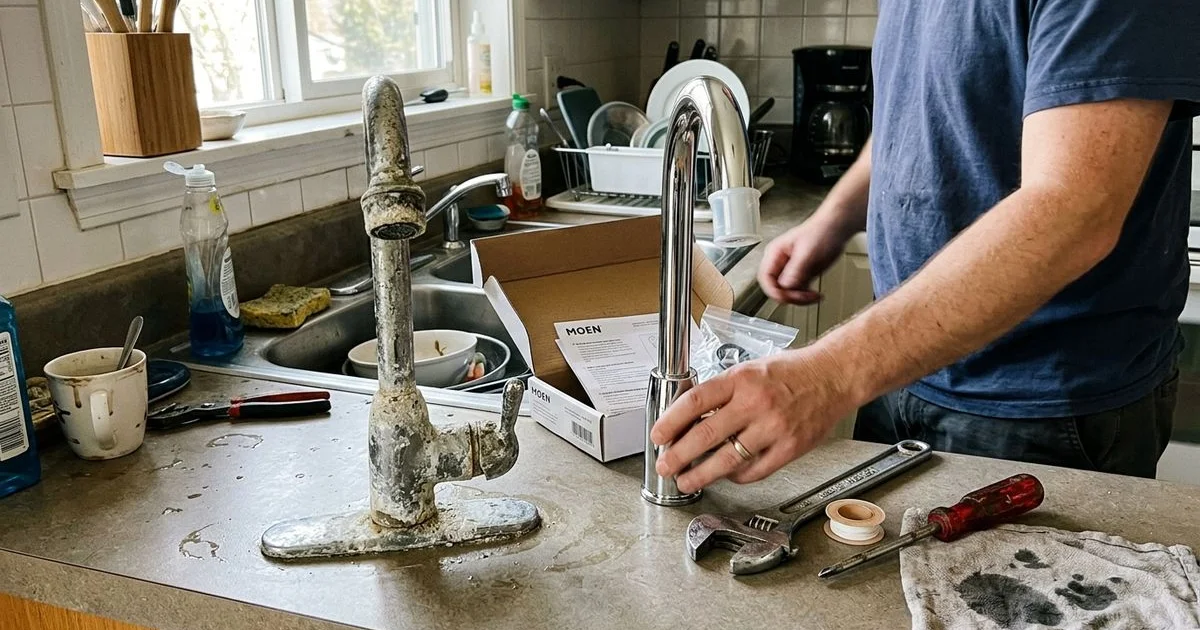
Our emergency plumbing crews spend most of their nights replacing blown water heaters and seized valves across the Imperial Valley. The culprit is almost always the same.
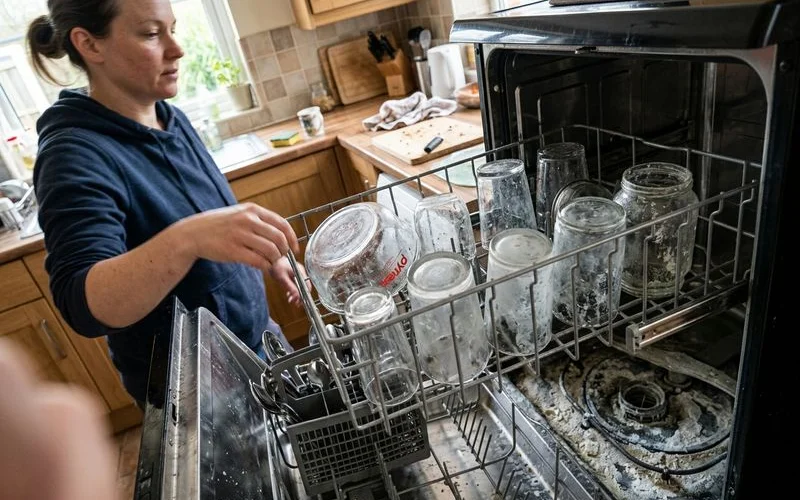
Hard water scale slowly destroys these plumbing systems from the inside out. The water softener benefits hard water homes immediately by stopping this internal decay.
We hear the exact same question from frustrated homeowners standing in a flooded garage: is a water softener worth it? This guide breaks down the data so you can make a clear decision.
The honest framing
A water softener is an absolute necessity in the Imperial Valley to prevent sudden plumbing emergencies. The extreme mineral content destroys pipes and appliances faster than almost anywhere else in the country. We consider water softeners and reverse osmosis to be crucial preventive maintenance, not just a luxury upgrade.
In most states, treating water is simply about getting softer laundry or fewer water spots. The math shifts entirely when you live in this specific region.
Here is what you are actually dealing with in El Centro:
- Total Hardness: Roughly 340 to 350 mg/L.
- Grains Per Gallon: About 20 grains per gallon (gpg).
- The Threshold: Anything over 10.5 gpg is officially classified as “very hard” water.
Our detailed breakdown of how hard the water is here shows exactly where those extreme numbers originate. The damage becomes obvious during midnight calls for flooded homes. A landmark 2009 Battelle study from the Water Quality Association (WQA) proved that this level of hardness cuts appliance lifespans by up to 50 percent.
What untreated water is actually costing
Untreated water easily costs a typical California homeowner thousands of dollars in premature replacements. The damage accelerates quickly, targeting your most expensive plumbing components first.
Your water heater takes the worst hit. Scale settles directly on the tank bottom and acts as a barrier over the burner. The U.S. Department of Energy notes that just one-quarter inch of scale reduces heating efficiency by up to 40 percent. We routinely pull out standard heaters that have failed years short of their 10-year rated life.
Replacing a water heater early is the single largest hard-water cost most households face. A standard 50-gallon gas tank replacement in California currently averages between $2,000 and $3,500 in 2026. This repeated expense is a direct result of ignoring scale buildup.
Tankless heat exchangers fail fast. These units are the most expensive items to repair, and they scale up the fastest because the internal passages are incredibly narrow. We strongly warn customers about installing these systems without proper conditioning. The 2009 WQA Battelle study found that tankless heaters running on unsoftened water can completely fail in as little as 1.6 years, leaving you with an immediate $4,500 to $6,500 replacement bill.
Faucets, valves, and water-heating appliances. Ceramic disc cartridges inside your faucets seal by pressing two smooth surfaces together. Mineral deposits act like sandpaper between those discs every time you turn the handle.
The plumber frequently replace leaking fixtures years before the manufacturer’s expected interval. Hard water also takes a heavy toll on several smaller household items:
- Dishwashers and washing machines: Heating elements scale up exactly like a large water heater does.
- Angle stops and shutoff valves: Valves that sit unused seize as deposits build around the stem.
- Gas usage: A scaled heater burns longer for the same hot water month after month.
Routine work under a sink in an older El Centro home often turns into replacing the stop too. This quiet inefficiency drains your wallet every single day.
The return, without inflated claims
The water softener ROI typically becomes positive during your first avoided water heater replacement. The exact payback period depends entirely on your specific equipment, your household usage, and how long you stay in the home.
We want to lay out exactly where your money comes back. The largest single item is your water heater lifespan.
If treatment moves a heater from failing years early to reaching its full rated life, you recover most of the softener’s cost across a single replacement cycle. You also save on emergency labor rates, plus you avoid the nightmare of a flooded floor on a Saturday night.
Second is your routine fixture service. Cartridge rebuilds and complete faucet replacements happen far less often on treated water.
Third is the quiet financial benefit of appliance efficiency. A heater that is not fighting a thick layer of scale uses significantly less gas every single day.
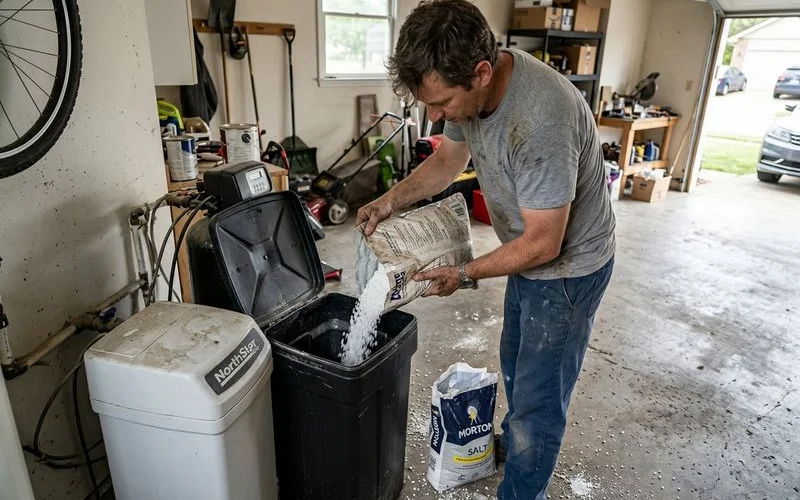
The team believes in being entirely transparent about the real ongoing costs of ownership. You will need to buy salt every few weeks, the system uses some water during regeneration, and the control valve requires occasional service.
High-purity sodium chloride salt currently costs about $60 to $150 per year in 2026 for a typical family. We would rather state those maintenance expenses plainly than pretend a conditioning system is entirely free to own.
To make the choice easier, here is a quick breakdown of what you are actually funding over a typical ten-year period:
| Expense Category | Untreated Hard Water | Softened Water System |
|---|---|---|
| Water Heaters | 2 replacements ($4,000+) | 1 unit reaches full life |
| Plumbing Fixtures | Frequent cartridge rebuilds | Minimal maintenance |
| Ongoing Supplies | More soap and detergents | $60 - $150 yearly for salt |
When it is a clearer yes
You have a tankless water heater. You have already replaced a heater early. You are replacing one now. You are on your third faucet in two years. Or you plan to stay in the house long enough for equipment life to matter.
When it is a weaker case
A water softener is a poor financial choice if you are selling your property within the next twelve months. The new buyer captures all the long-term equipment benefits rather than you.
We generally identify three scenarios where a traditional system makes less sense:
- Immediate relocation: You plan to move before realizing the return on investment.
- Low occupancy: The home is a short-term rental with minimal monthly water usage.
- Physical limitations: Lifting and handling heavy bags of salt is genuinely impractical for the household.
If salt is off the table, a salt-free conditioner is a partial measure worth discussing. These systems use alternative technologies like Template-Assisted Crystallization (TAC) to alter how minerals behave in the water.
The plumber will be completely straight with you about this compromise. At this extreme level of hardness, salt-free systems prevent some scale from sticking, but they do not actually remove the destructive minerals from your pipes.
What softening does not do
A standard water softener is designed exclusively to protect your plumbing infrastructure, not to purify your drinking water. It physically exchanges hard minerals for sodium, but it leaves other contaminants untouched.
It is worth knowing that this equipment has specific limitations:
- Taste remains unchanged: It doesn’t improve drinking water flavor in any meaningful way. That requires a separate reverse osmosis system at one tap.
- Chemicals remain present: It doesn’t filter municipal chlorine or sediment. That requires dedicated whole-house carbon filtration.
- Past damage remains: It doesn’t magically remove existing scale from your pipes. It simply stops new scale from forming.
The full comparison of what each specific technology solves is on our water softeners and reverse osmosis page. We will happily evaluate your emergency and tell you exactly which solution makes the most sense.
Addressing hard water is a required defense in the Imperial Valley. It protects your home from guaranteed plumbing failures.
We specialize in rapid plumbing repairs when those untreated pipes finally burst. Do not wait for a flooded garage to make a decision about your water quality.
Reach out to El Centro Plumbing Pros today for a clear assessment. The bilingual line is available around the clock to route an expert right to your door.